
Liposuction
Contour Your Body and Reveal Your Figure
What is Liposuction?
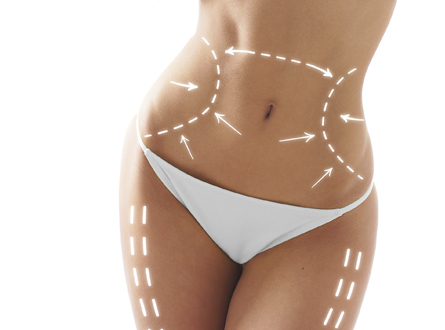
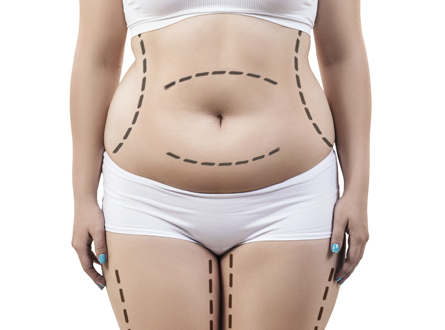
Liposuction, also known as “lipo” or “liposculpting,” is the removal of fat from stubborn fat deposits on the body such as those found in the abdomen, thighs, and buttocks. These areas typically do not shrink sufficiently by using diet and exercise alone. The fat is removed using a suction technique.
Why is Liposuction Done?
Liposuction is done to reshape and contour the body by removing stubborn fat deposits that have not responded to diet and exercise. It is not a solution for obesity, cellulite, or loose skin.
It is also performed on transitioning patients to help them achieve a body with fat deposits closer to those of their gender identity. Patients might seek to achieve a smaller waist to lower the waist-to-hip ratio for an hourglass figure and a contoured silhouette.
What Areas of the Body Can Liposuction Target?
Liposuction is typically used on stubborn areas of the body that tend to accumulate and store fat in spite of weight loss efforts:
- Abdomen
- Flanks (love handles)
- Upper arms
- Buttocks
- Calves and ankles
- Chest and back
- Hips and thighs
- Chin and neck
It can also be used on the waist or chin and neck as part of the feminizing process for transitioning patients.
Types of Liposuction
Traditional Liposuction
A vacuum-like device is used to remove fat by suctioning it out through a hollow instrument inserted under the skin.
Ultrasonic Liposuction
This method uses ultrasonic energy to liquefy the fat before removing it. It works well in areas where the tissues are very dense, such as the knees, neck, chin, feet, and ankles. It is not used in fat grafting to remove fat, since this method destroys the fat cells and leaves them unsuitable for use in other parts of the body.
Laser-assisted Liposuction
This method uses lasers to liquefy the fat before removing it. The fat is then vacuumed or drained out. However, this method requires a careful balance of burning the fat to liquefy it while avoiding damage to the patient. Dr. Zukowski does not perform this type of liposuction, as he believes it is less effective and too risky.
Tumescent Liposuction (Fluid Injection)
The surgeon injects a medicated fluid into the area before removing the fat. The fluid helps prevent pain and reduces the loss of blood, swelling, and bruising. It also makes the fat easier to remove. This can be a more risky procedure for an inexperienced surgeon, but Dr. Zukowski has years of experience in this technique. He understands the effects of the drugs and is an expert at managing the fluid levels in each patient.
What Type of Lipo Does Dr. Zukowski Perform?
Dr. Zukowski uses a combination of ultrasonic and traditional tumescent liposuction to achieve the best body contouring. In cases where fat is being harvested for fat injections either to the buttocks or the face, he will use traditional liposuction. This keeps the fat intact (as opposed to liquifying it) and usable for facial fat grafting or a Brazillian Butt Lift.
Liposuction Risks
Liposuction carries the risks associated with any surgery, such as bleeding, infection, or a reaction to anesthesia. It is a very popular surgery and the vast majority of liposuctions are performed with no issues. However, a rare complication called fat embolism could be fatal. This happens when droplets of fat loosened by the procedure break away and travel to become trapped in a blood vessel or go into your lungs or brain, resulting in an immediate medical emergency. Tumescent liposuction carries the added risk of Lidocaine toxicity and kidney and heart problems due to major shifts in fluid levels. This occurs most often when it is implemented by an inexperienced or untrained surgeon. Dr. Zukowski has been using this method for over three decades and has never had a patient experience serious complications.
Liposuction Risks and Complications
There are some non-life threatening but undesirable complications of liposuction that could occur:
- Lumpy or uneven skin – this can happen due to poor skin elasticity and irregular healing.
- Fluid accumulation – pockets of fluid could form under your skin and need to be drained with a needle.
- Temporary or permanent numbness – small nerve fibers travel through your fat to the surface of your skin.
- Liposuction removes the fat and disrupts these nerves. Sensation usually returns gradually over several weeks, but may last for months. In rare cases, numbness can be permanent.
Does Liposuction Work?
Liposuction is very effective at removing stubborn pockets of fat that have not responded to diet and exercise. It works very well if you fully understand what can and can’t be achieved with liposuction.
Liposuction is not effective for general weight loss. The best candidates for liposuction will be at a healthy, stable weight and seeking liposuction only to remove stubborn fat deposits.
If you are seeking liposuction to combat fatty areas on your body that seem impossible to get rid of no matter how much weight you lose, then it works wonders! The results are long-lasting if you maintain your weight. If you gain weight, you may regain fat deposits in the same areas.
Ideal Candidates
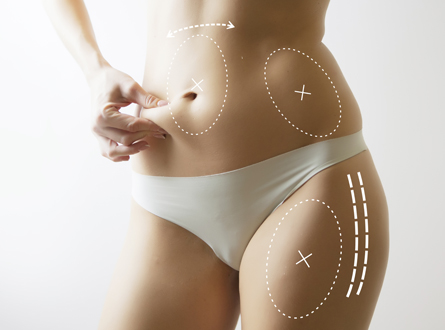
Good candidates for liposuction:
- Are in good physical shape, with no significant health conditions.
- Are not overweight or obese.
- Do not smoke, or are willing to quit smoking.
- Have fat deposits that don’t go away with diet and exercise.
- Don’t have a lot of excess skin.
- Have good skin elasticity.
- Have good muscle tone.
What to Expect for the Consultation
Dr. Zukowski will evaluate you, obtain your full medical history, and ask about your goals and your lifestyle. It is important for him to know if you are planning to lose or gain a large amount of weight in the near future. He will educate you about the surgery and give you reasonable expectations about what you can hope to achieve with liposuction. He will also answer any questions you may have.
Preparing for Liposuction
As with all surgeries, you may be asked to adjust or stop taking certain medications. You will be asked to quit using tobacco products at least 21 days before your surgery. Depending on certain circumstances, you may need to get a lab test done before getting liposuction.
Liposuction Recovery
You will experience some pain, bruising, and swelling immediately after the procedure. You may be prescribed pain medication to help with any discomfort. If your procedure involved skin removal (such as a tummy tuck) your incisions will be precisely closed, with temporary drains to help the excess fluids escape. These drains could be needed anywhere from a few days to a few weeks after the surgery and do not require stitches when removed.
You will need to wear a custom compression garment for 6 weeks. This helps to compress the tissues to reduce swelling and achieve the best “shrinkage” early on. You may need to wait a few days before going back to work and will not be able to exercise for a few weeks.
At first, the treated area will look bulky, but as time goes on it will settle. Swelling typically goes down within a few weeks, but it takes several months for the remaining fat to settle into position and for the area to achieve a leaner appearance.
In addition to being an experienced, board-certified plastic surgeon, Dr. Zukowski is a sculptor when it comes to shaping your body. He will free you from your stubborn, exercise-resistant fat and help you bring out your figure.
If you have any concerns or questions about liposuction, please don’t hesitate to contact our office in Chicago.
Visit the patient gallery to see before and after transformations.